Investigating signs of a school water leak
Unexpected consumption, damp or pressure loss can indicate a leak, but each symptom has other possible causes that need investigation.
Updated . Published .
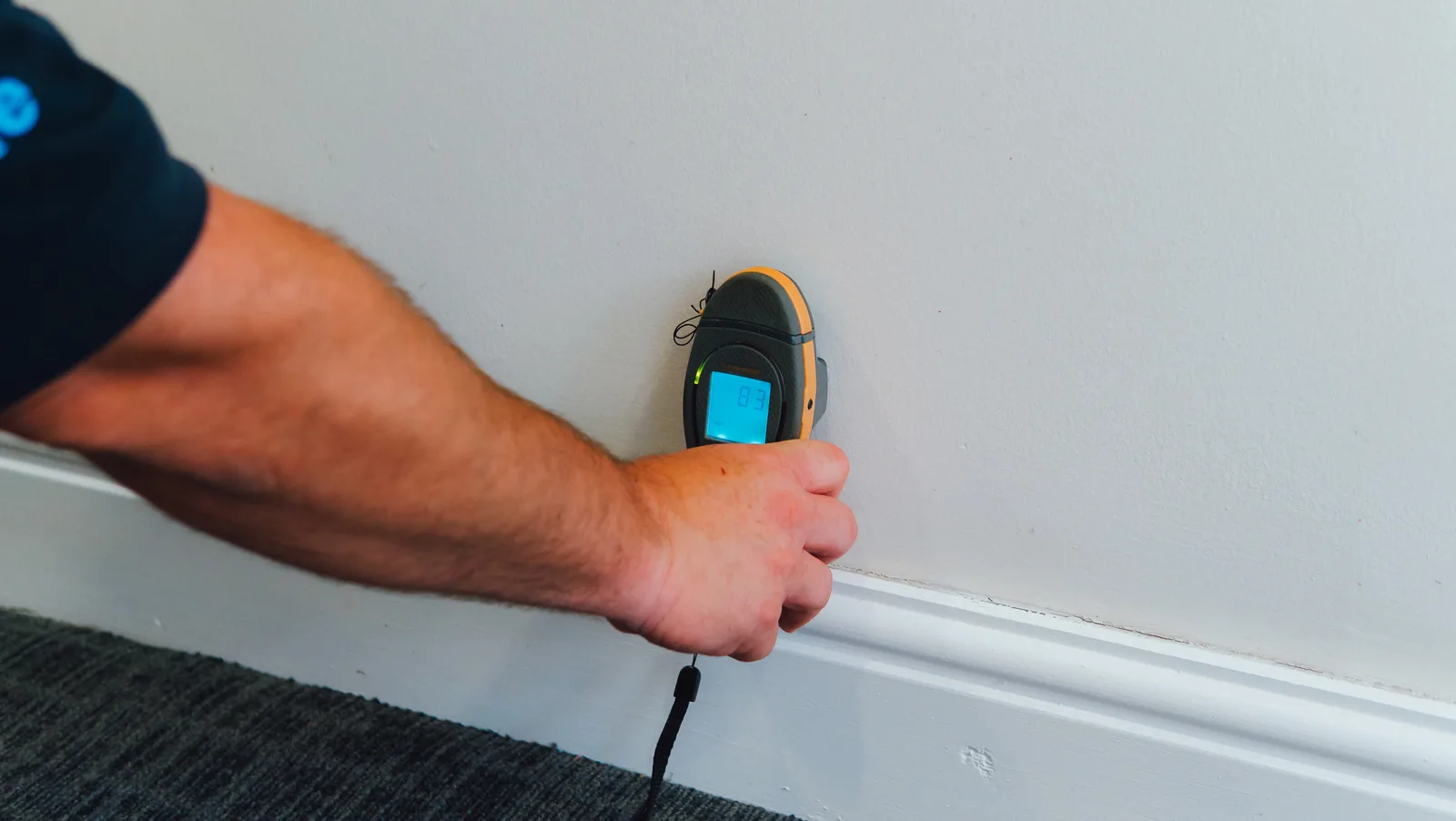
Record the symptom without assuming its cause
- An increased water bill: check reading type, charged rates, occupancy and measured volume.
- Damp or staining: note rain, occupancy, nearby pipework and whether the area is changing.
- Repeated heating pressure loss: ask a competent heating engineer to assess the system, including components and discharge paths.
- Reduced supply pressure: consider supply conditions, valves and demand as well as leakage.
These observations guide the next check. No single item establishes that an underground pipe is the cause.
Respond to immediate hazards
Keep people away from water near electrical equipment, unstable surfaces or areas where contamination is possible. Follow the school’s emergency procedures and obtain the appropriate emergency or specialist help. Do not touch wet electrical equipment or operate unfamiliar valves.
Loss of toilets, drinking water or hygiene facilities requires school leaders to assess safe operation and contingency arrangements. Do not postpone necessary action while waiting for overnight readings.
Collect information when it is safe
Record what was observed, when it began and any relevant maintenance or operational change. Safe meter readings and photographs can be useful, alongside the site plan and equipment schedules. Include readings that do not support the initial theory.
Ask the investigator to explain findings and limitations. Testing may need to consider more than one source, particularly where water has travelled from its entry point.
Symptoms and diagnosis: common questions
Does a damp patch prove a plumbing leak?
No. Condensation, rainwater entry and other moisture sources can create similar symptoms. The location and timing help an investigation but do not establish the cause alone.
Should we wait for a quiet period to investigate?
Only where it is safe and appropriate. A quiet period can help measurement or acoustic work, but risks to people, essential services or the building need prompt assessment.
Sources for this page
- Source: Water Plus, Your water audit guide (opens in a new tab) ().
- Source: ADI Leak Detection, Published investigation methods and services ().
- Source: Department for Education, Good estate management for schools (opens in a new tab) ().
Last reviewed . How this site sources and dates its figures.