Automatic meter reading and interval data
Automatic meter reading can make changes in consumption easier to see, provided compatible equipment, reliable data and a process for reviewing alerts are in place.
Updated . Published .
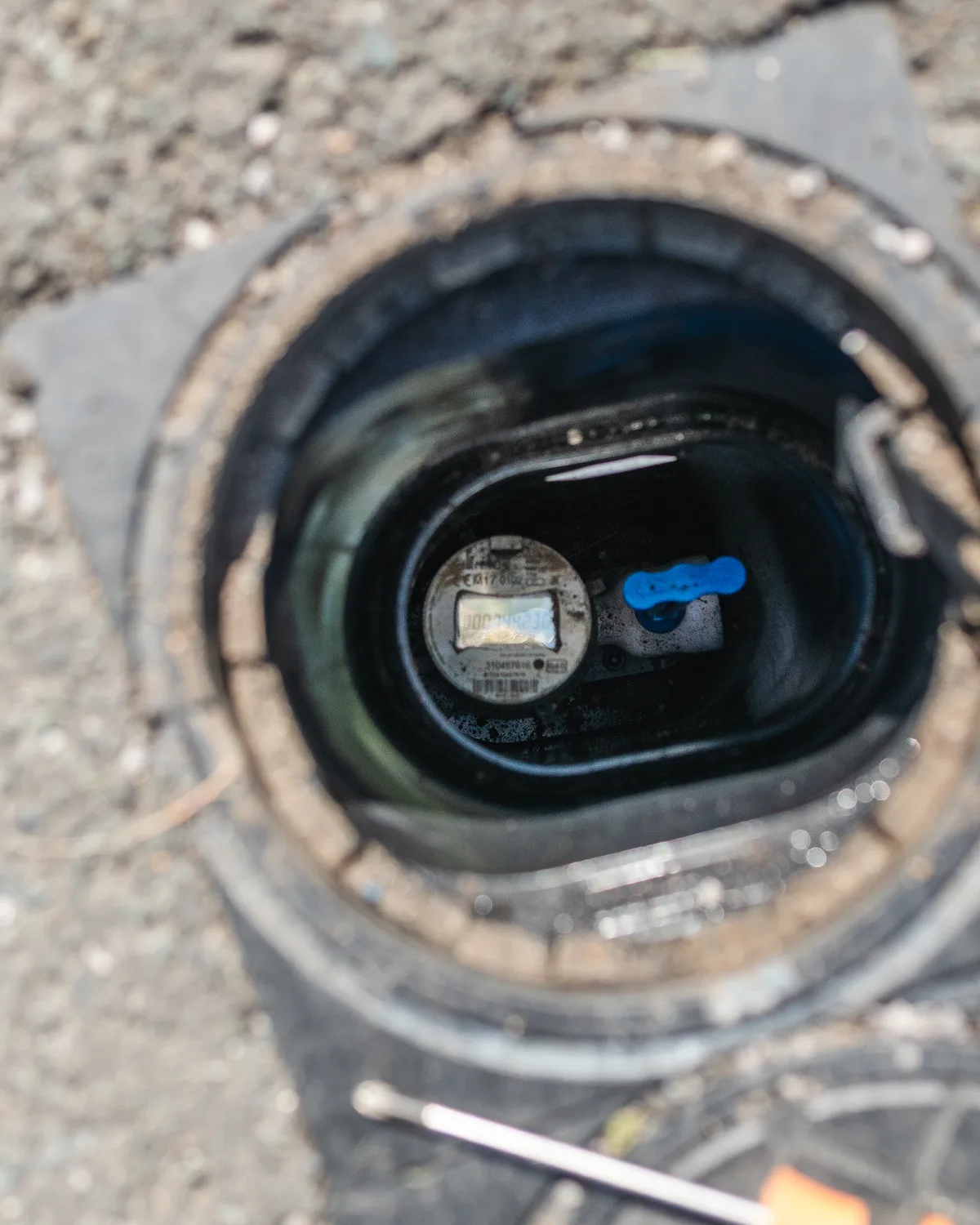
Understand the equipment and data
A compatible logger or smart meter records consumption and may transmit it to a portal. Compatibility, installation permission, communications coverage and data access depend on the meter and provider. Do not attach equipment to a supplier’s meter without the required agreement.
Ask for a usable data service
- Confirm the meter, units, interval length, timestamps and whether values are interval volumes, cumulative readings or calculated rates.
- Ask who owns and can export the data, how missing readings are shown, and whether historic records are available.
- Confirm installation, subscription, maintenance and replacement costs, plus who receives and acts on alerts.
A proposed alert threshold should reflect the site’s known overnight use. Agree how holidays and changes in plant schedules will be handled.
Treat changes as prompts to investigate
A higher minimum, new spikes or a step change may reflect leakage, equipment cycles, occupancy or a recording issue. Compare the trace with the operating diary and check the data quality. Neither a flat line nor a regular spike establishes a specific fault.
Compare the service cost with the value of earlier information and staff time saved. A logger does not guarantee next-day detection, a particular saving or that an alert will be acted on.
Water use and meter data: common questions
Will every school already have half-hourly data?
No. Ask the account provider what the installed meter and any logger can supply. The billing account alone does not establish that interval data exists.
Can we receive alerts instead of checking a chart?
Some services provide configurable alerts. Confirm the settings, delivery method and escalation arrangements, and test that the nominated staff can receive them.
Sources for this page
- Source: Wave, Data collection services: device capabilities and compatibility (opens in a new tab) ().
Last reviewed . How this site sources and dates its figures.