Water use across complex school estates
Pools, accommodation, equipment and shared supplies can change how a school’s water readings should be interpreted and where further measurements will help.
Updated . Published .
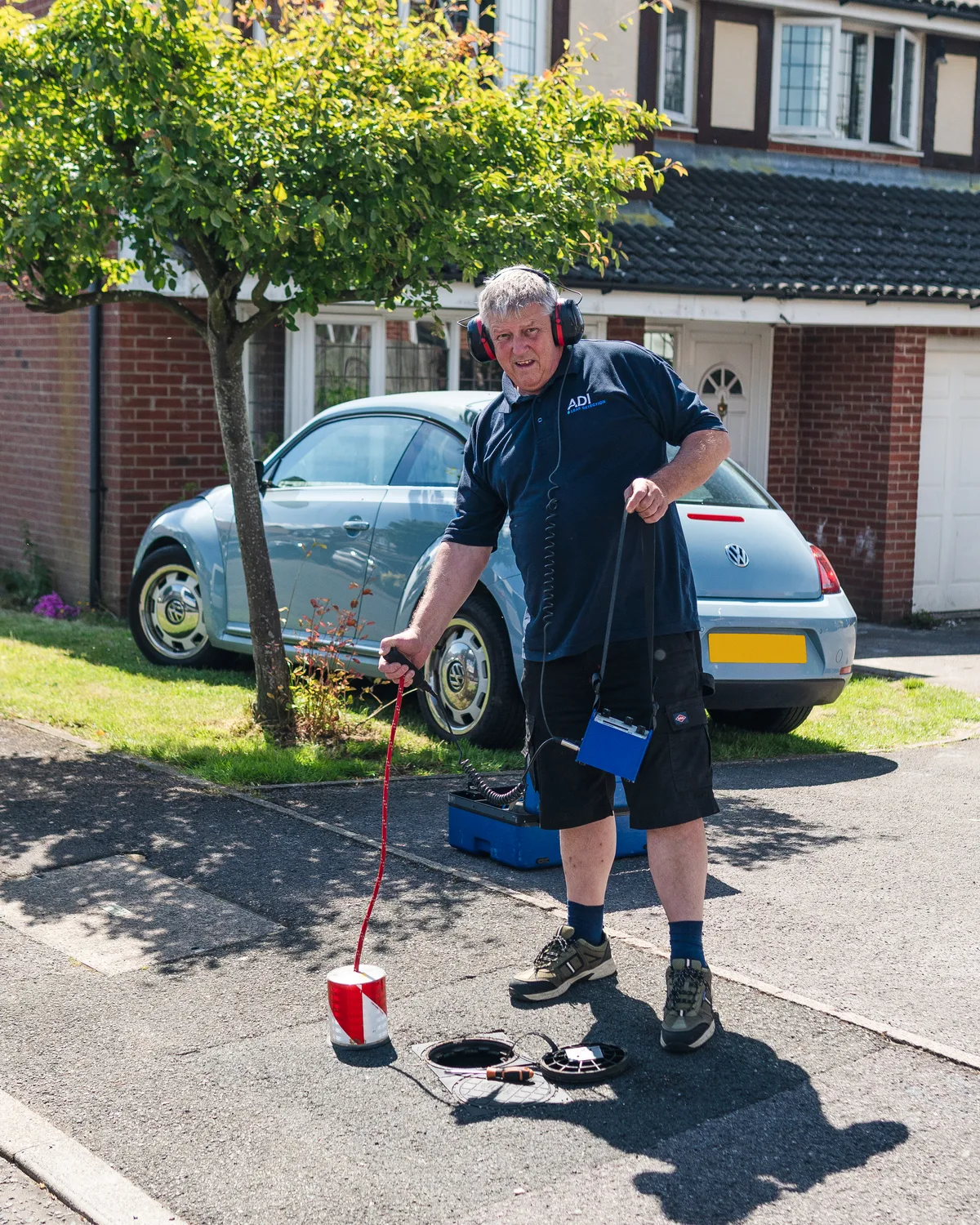
Map the supplies and operating schedules
List the buildings and facilities on each meter, including staff housing, detached changing blocks and tenants. Check the records with people who operate those areas. A site plan does not necessarily show which account pays for each supply.
Record out-of-hours activities. Cleaning, irrigation and occupied accommodation can create legitimate demand while teaching spaces are closed. A persistent flow may also contain leakage; known use does not rule it out.
Separate circulation from make-up water
Pool circulation recycles existing water. Top-ups and replacement of water removed during backwashing or cleaning draw additional water, depending on operation. Compare pool water records with meter data instead of treating all circulation as consumption.
Similarly, a sealed heating circuit circulates water internally. Repeated make-up demand merits assessment of why water or pressure is being lost. Do not assume that running heating must produce a continuous mains-water load.
Choose targeted measurements
A suitable sub-meter can help separate a major use from the site total. Confirm its measurement boundary, installation requirements and data quality before relying on it. Different reading times, storage filling and unmetered branches can complicate comparisons.
Use operating records and planned testing to narrow unexplained demand. Sub-metering is an option to assess, not a guaranteed saving or a necessary first purchase for every school.
Estate scenarios: common questions
Can a school with boarders still use overnight readings?
Yes, provided residential consumption is included in the interpretation. Compare similar periods and use additional measurements where occupancy makes the total difficult to explain.
Should we isolate a shared supply to test it?
Only through a planned, authorised process. Confirm every affected user and essential service, and have a competent person agree the test, communications and reinstatement arrangements.
Sources for this page
- Source: Pool Water Treatment Advisory Group, Code of Practice for swimming pool water (opens in a new tab) ().
- Source: Water Plus, Your water audit guide (opens in a new tab) ().
- Source: ADI Leak Detection, Published investigation methods and services ().
Last reviewed . How this site sources and dates its figures.