Using water consumption benchmarks in schools
Water use per pupil can support comparisons between similar schools, but differences in facilities and use mean it cannot diagnose a leak on its own.
Updated . Published .
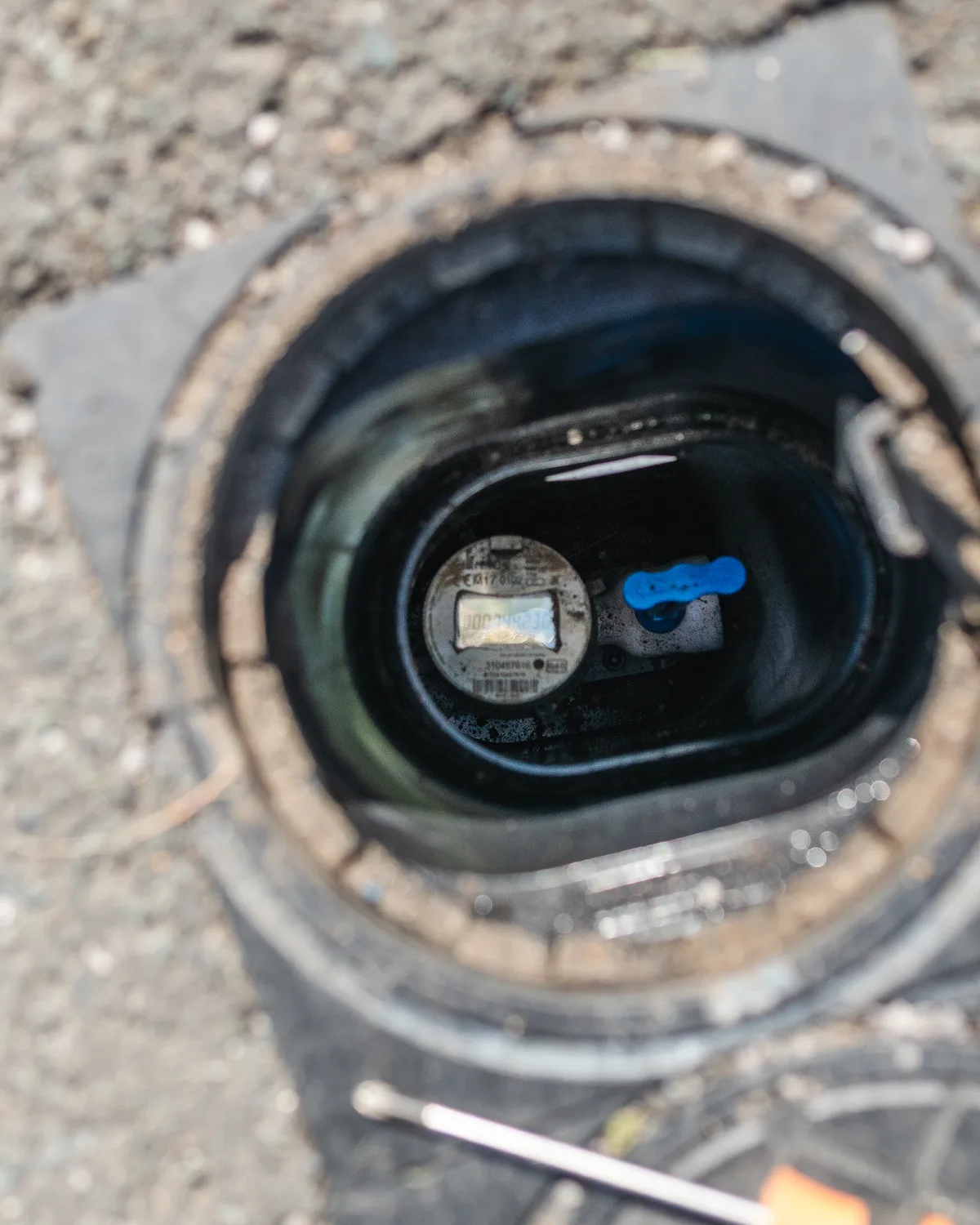
Check what the benchmark measures
Before using a figure, establish its source, date, units and sample. Check whether it includes catering, pools, boarding, staff housing or irrigation. A figure per pupil per school day is not directly comparable with an annual total divided by pupil numbers.
Make a like-for-like comparison
This guide does not prescribe a universal consumption target. Ask the publisher or water provider which school types are included and how the denominator is defined. Where the sample is unsuitable or the method is unclear, record that limitation rather than treating the number as a pass or fail.
Within a trust, compare schools with similar facilities and schedules. Changes at one site can be useful signals, but a school’s historical baseline may itself include an existing loss.
Use the comparison to choose the next check
If consumption appears high, first check the billing period, read type, occupancy and known activities. Then compare measured use during relevant occupied and quiet periods. Low use against a benchmark does not rule out leakage, and high use does not establish it.
Water use and meter data: common questions
Does being above average mean we have a leak?
No. It identifies a difference worth explaining. Check the comparison group and your own operating records before deciding whether leakage is a likely cause.
Can we still set a reduction target?
Yes. Base it on measured use and specific improvements, with assumptions recorded. Keep required hygiene and water-safety activities in the plan when assessing reductions.
Sources for this page
- Source: Water Plus, Your water audit guide (opens in a new tab) ().
- Source: Waterwise, School Water Efficiency Audit (opens in a new tab) ().
Last reviewed . How this site sources and dates its figures.