Holiday water checks: the August test
Comparing meter readings during a quiet holiday period can reveal unexplained consumption, provided legitimate water use is recorded alongside the readings.
Updated . Published .
Choose a suitable holiday period
Choose a period that reflects your school’s actual closure dates. August is not equally quiet for every school, and summer clubs, lettings or maintenance can change the result. A shorter, well-documented quiet period can be more useful than an unexplained full-month total.
Record the readings and known uses
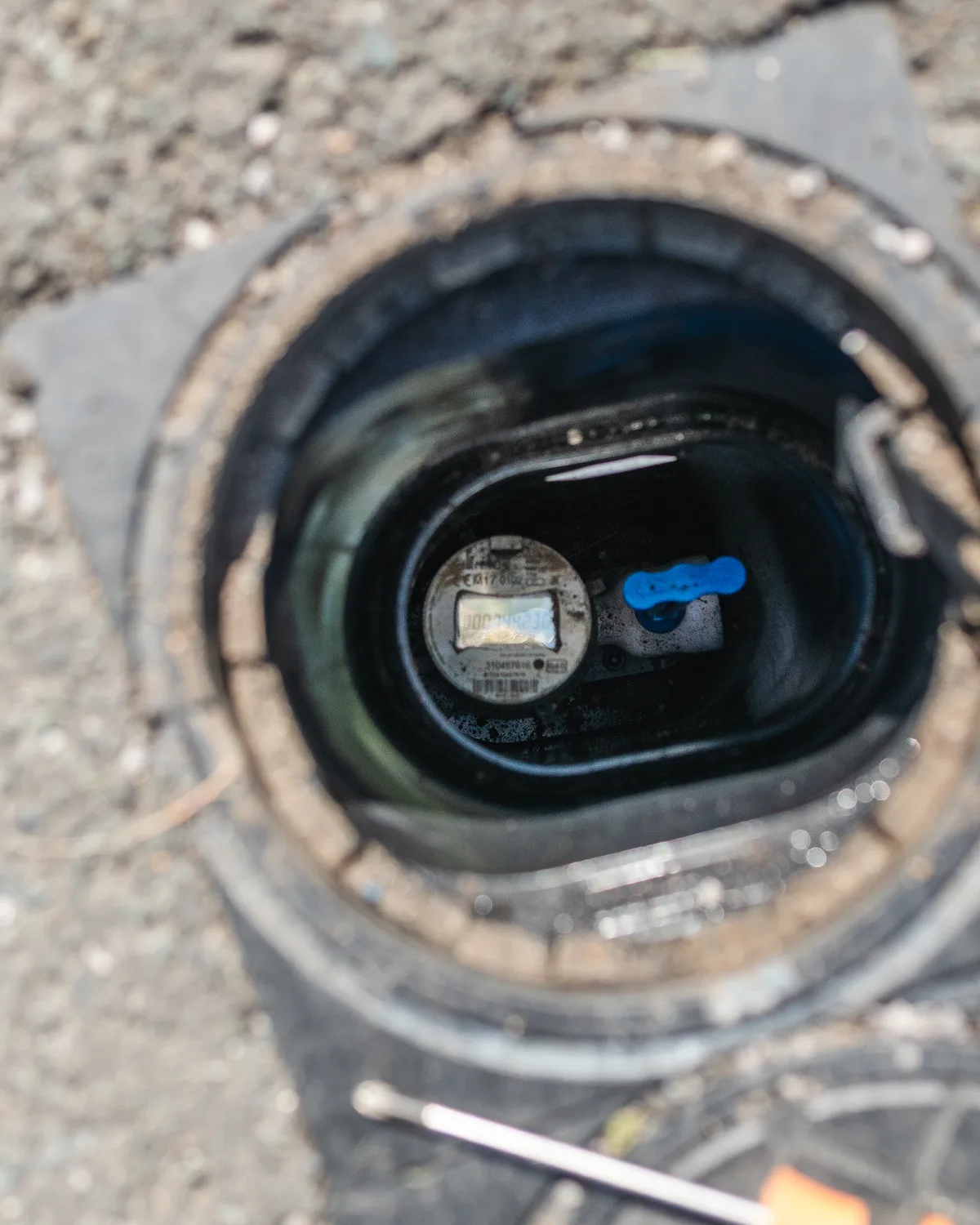
- Read the same meter at the start and end, where it is safe to access; record the date, time, serial number and units.
- Record irrigation, accommodation, cleaning, pool top-ups, tank filling and planned water-safety flushing. Do not stop required flushing to obtain a zero reading.
- Subtract the readings. For a meter recording cubic metres, multiply the difference by 1,000 to obtain litres, then divide by the elapsed days for an average.
A photograph can support the record, but also write down the date and time. Keep meter access within the school’s safe working arrangements.
Investigate unexplained consumption
Compare the result with recorded activities and previous comparable periods. If the increase remains unexplained, check accessible fittings and arrange an investigation. Do not treat all holiday consumption as leakage or annualise it without stating the assumptions. Urgent hazards need action immediately, rather than waiting for a holiday check.
Water use and meter data: common questions
Does zero consumption rule out every leak?
No. It means no use was registered during that interval. Intermittent faults, flows too small for the reading resolution, and leaks on other supplies can remain undetected.
Can we use this with summer lettings?
Yes. Record the lettings and other activities, then compare similar periods. Without that context, the meter total cannot separate legitimate consumption from water loss.
Sources for this page
- Source: Water Plus, Your water audit guide (opens in a new tab) ().
- Source: Health and Safety Executive, HSG274 Part 2: control of legionella in hot and cold water systems (opens in a new tab) ().
Last reviewed . How this site sources and dates its figures.