Weekend water checks for schools
A weekend reading can help a school spot changes in water use between term-time checks, after allowing for weekend activities and equipment schedules.
Updated . Published .
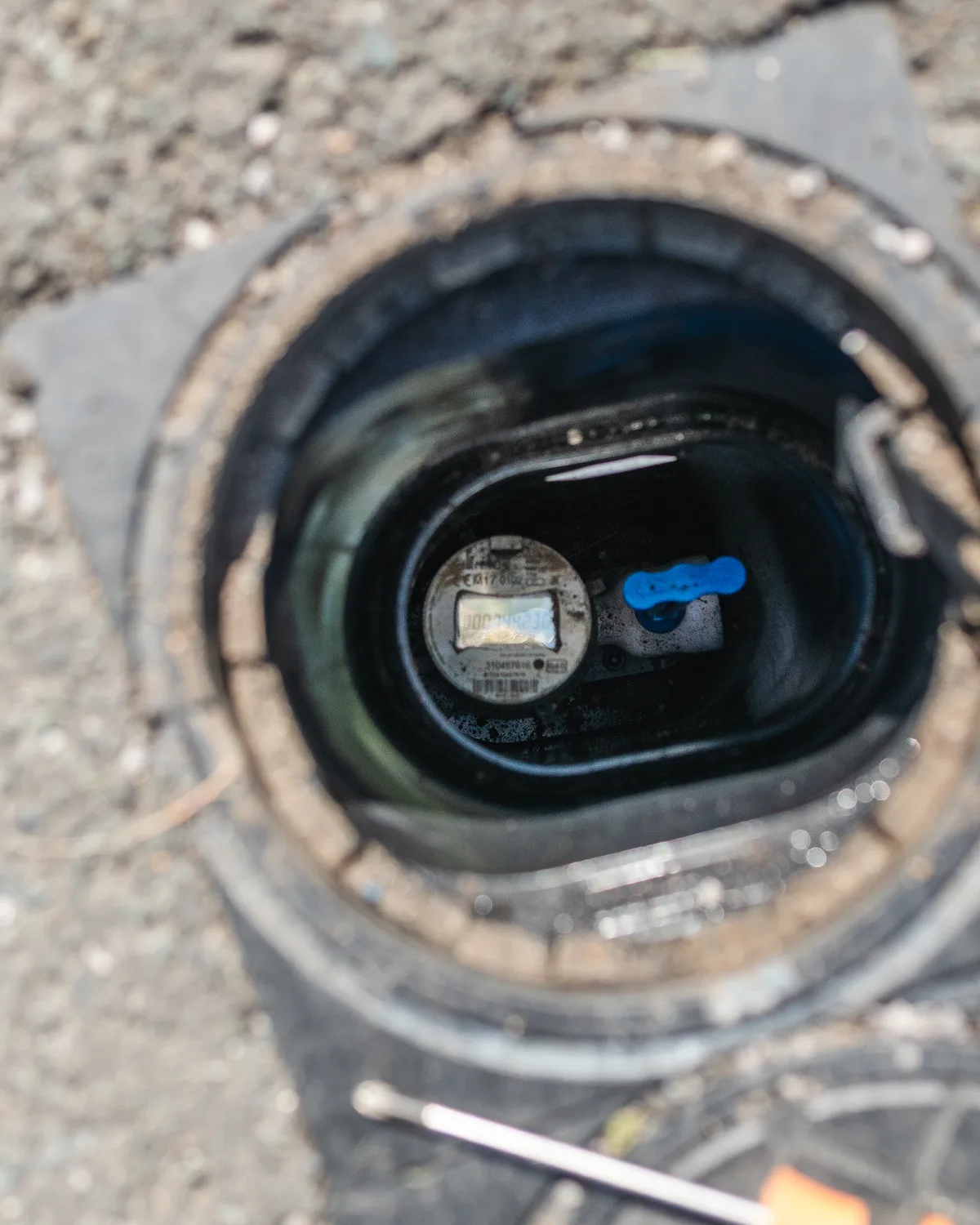
Use weekends as a regular checkpoint
Choose a reading routine that staff can maintain safely. A Friday-to-Monday interval is useful for many day schools, but cleaning, clubs, sports and residential use can continue. Record the actual times rather than assuming a fixed number of closed hours.
Keep a simple shared record
- Record opening and closing readings from the same meter, with units and elapsed time.
- Note lettings, irrigation, maintenance, pool top-ups and planned flushing during the interval.
- Compare average consumption with similar weekends and assign someone to investigate unexpected changes.
Agree an escalation process based on the site’s own history and risks. A large change or visible damage should be assessed promptly rather than waiting for the next scheduled reading.
Understand the limits
A weekend total cannot distinguish a leaking pipe from an appliance using more water. Some faults only occur during occupied hours and may be absent during the check. Combine weekend records with bills, daytime observations and interval data where available.
Water use and meter data: common questions
Will a weekly check find a leak within seven days?
It may identify a change sooner, but detection is not guaranteed. A small or intermittent fault can be obscured by normal use or the resolution of the readings.
Should holidays be checked as well?
A quiet holiday provides another useful comparison. Record its activities separately: the normal weekend baseline may not apply to holiday maintenance or summer lettings.
Sources for this page
- Source: Water Plus, Your water audit guide (opens in a new tab) ().
- Source: Waterwise, School Water Efficiency Audit (opens in a new tab) ().
Last reviewed . How this site sources and dates its figures.