SCHOOL LEAK DETECTION
Plant room and boiler house leak detection
Narrow down losses in the pipework serving your school’s heating and hot water.
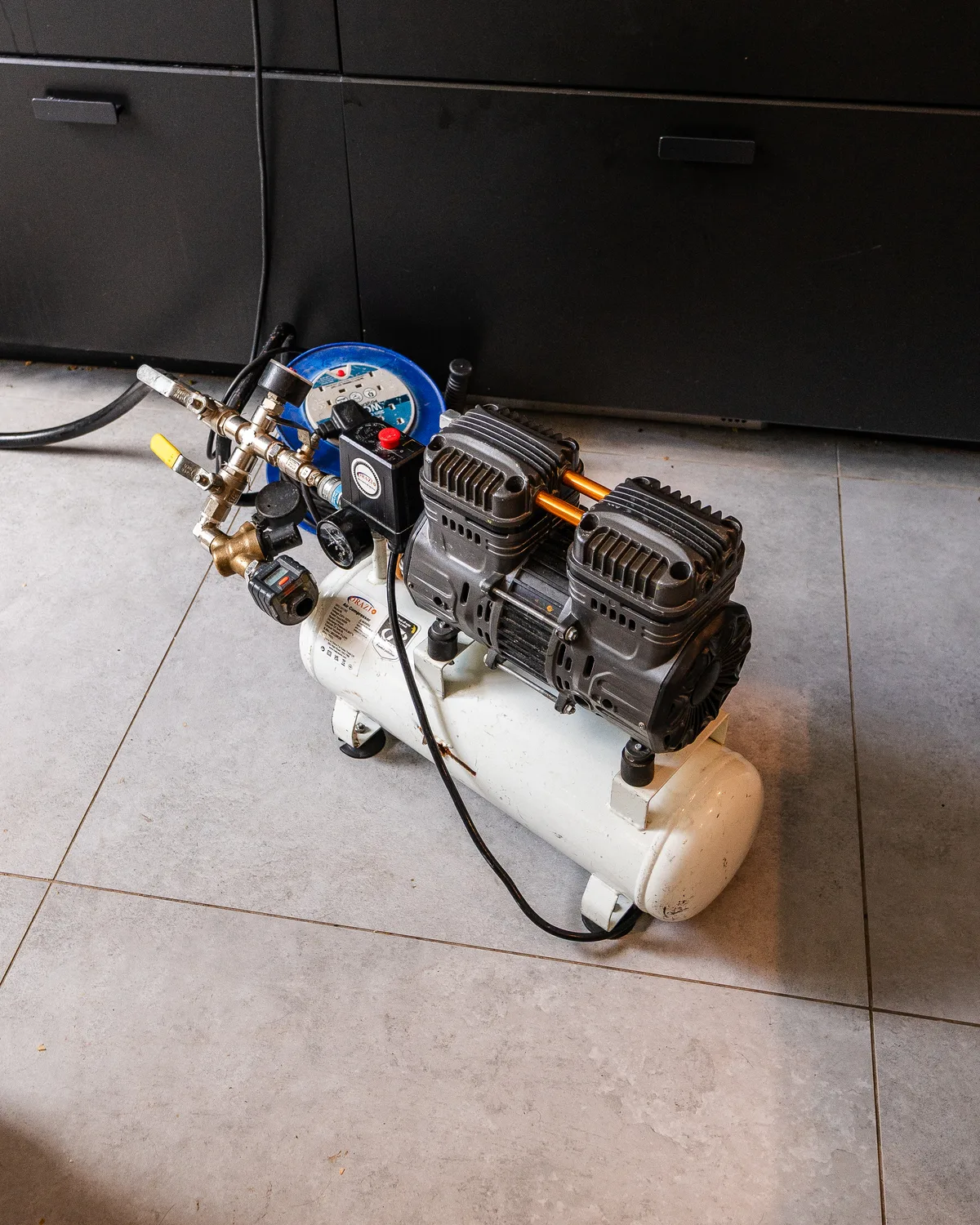
Most plant room water loss is a pressurisation unit, a relief valve or a calorifier rather than a pipe, and each can be confirmed or ruled out inside an hour.
WHAT TO LOOK FOR
Leak symptoms and common faults
- Pressure relief valve passing to the tundish
- A trickle at the tundish and a pressure gauge that keeps falling
- Failed expansion vessel charge
- Pressure swinging widely between cold and hot rather than falling steadily
- Automatic fill or pressurisation unit topping up continuously
- The unit running far more often than it should, masking a leak elsewhere
- Calorifier or plate heat exchanger internal failure
- Loss from the heating side with no external water at all
- Buried heating main leaving the plant room
- Continuous large make-up demand and warm ground outside the plant room door
The four checks that come before any survey
A plant room is the one place where a leak can usually be diagnosed without any specialist equipment at all, because most of the candidates are visible or audible.
- Look at the tundish under the pressure relief valve. Water there means the valve is passing and the system is losing to drain
- Check the expansion vessel charge. A failed vessel makes pressure swing rather than fall, and is often mistaken for a leak
- Watch the pressurisation unit. If it is cycling every few minutes, note the frequency; that is your leak rate before anyone measures anything
- Feel the floor and the ground immediately outside. A buried heating main leaving the plant room warms what is above it
Why plant room losses hide better than pipe leaks
An automatic pressurisation unit is designed to keep the system topped up, which means it is also designed to hide a leak. A system with a manual fill loop announces a leak by losing pressure. A system with an automatic unit quietly replaces the water and says nothing until the water bill arrives or the corrosion catches up.
That is why the first question about a school heating system is not whether it has lost pressure, but how often the fill unit runs.
How the loss is located once the plant is ruled out
If the plant is sound and the system is still losing, the loss is in the distribution. Isolate zone by zone from the plant room and watch which isolation stops the make-up demand. That narrows a whole school to one circuit without leaving the plant room.
From there the work moves outside: thermal survey along the route of a buried heating main, tracer gas into a drained section, or acoustic work on a pressurised cold water run.
Working safely in a school plant room
Plant rooms in older schools are frequently confined, hot, and contain asbestos-containing insulation on legacy pipework and around boilers. Anything that involves disturbing lagging stops until the asbestos register has been consulted.
Gas appliances in the same room mean any work near them belongs to a Gas Safe registered engineer, and isolation should follow the school's own procedure rather than a visiting contractor's habit.
Arrange a school leak detection survey
School leak survey questions
Our pressurisation unit runs several times a day. Is that a leak?
Almost certainly. A sealed system in good condition should need make-up water very rarely. A unit cycling daily is replacing water that is going somewhere, and the frequency gives you a rough rate before anyone measures it properly.
There is water at the tundish. Does that mean the boiler is broken?
It means the pressure relief valve is passing, which is usually either debris on the seat or genuine over-pressure from a failed expansion vessel. Either way the system is losing water to drain, and it is a cheap fix compared with what it costs to leave running.
Can you survey a plant room while the heating is on?
Yes, and it is often better. A warm system makes a buried heating leak visible thermally and makes a passing valve easier to identify. The constraint is heat and space rather than the system being live.
Sources for this page
- Source: The National Archives, The Control of Asbestos Regulations 2012 (opens in a new tab) ().
- Source: Health and Safety Executive, Legionnaires' disease: The control of legionella bacteria in water systems (ACoP L8) (opens in a new tab) ().
Last reviewed . How this site sources and dates its figures.